We can lose confidence in our own bodies, when the pain is not getting fixed.
The chances are, you know someone who is in pain and still does not have a clear answer.
And one of the hardest parts is not just the pain itself.
It is what pain can do to a person’s confidence.
People start to feel broken.
They feel older than they are.
They feel like their body cannot be trusted.
They begin to question every movement.
Will this flare me?
Can I do this?
Should I avoid that?
What if I make it worse again?
That is a horrible way to live.
And it is something we see far too often.
When treatment keeps chasing the pain
Most pain treatment starts where the pain is felt.
That makes sense.
If the pelvis hurts, treat the pelvis.
If the back hurts, treat the back.
If the shoulder hurts, treat the shoulder.
But when pain has been there for years, or when treatment has only helped a little, it may be worth asking a different question.
What if the painful area is not the whole problem?
What if the body is protecting because of something else?
That is where the conversation changes.
Abbey’s story
Abbey had been diagnosed with chronic pelvic pain for many years.
She had already tried other practitioners.
She had received some help, but not enough to give her confidence back.
By the time she came to Youngify, she was unsure what movement was safe.
She did not know what she could do without stirring everything up again.
That loss of confidence matters.
Because when people do not trust their body, their world gets smaller.
Movement becomes stressful.
Exercise becomes uncertain.
Even simple activities can feel risky.
We stopped only chasing the area of pain
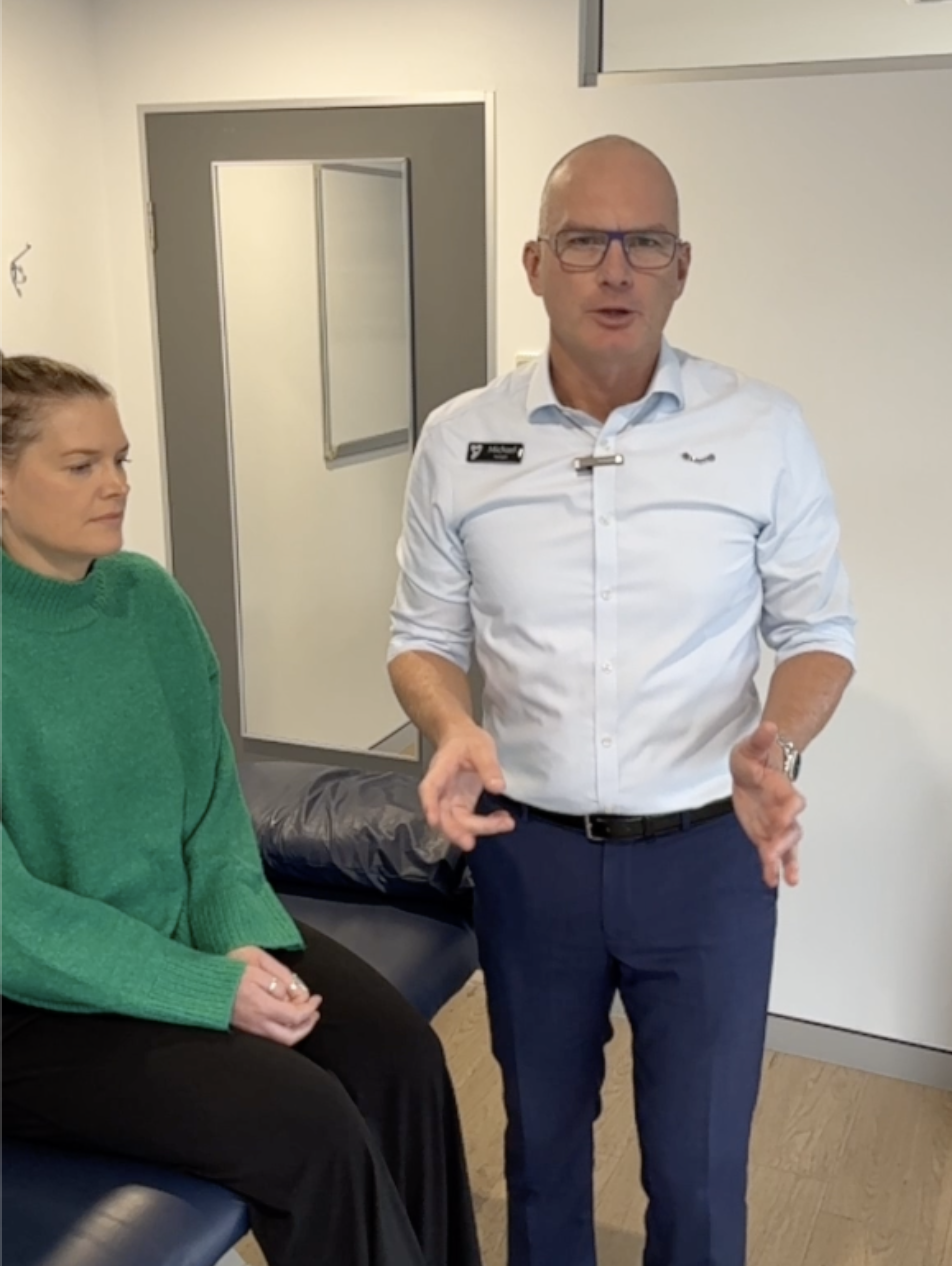
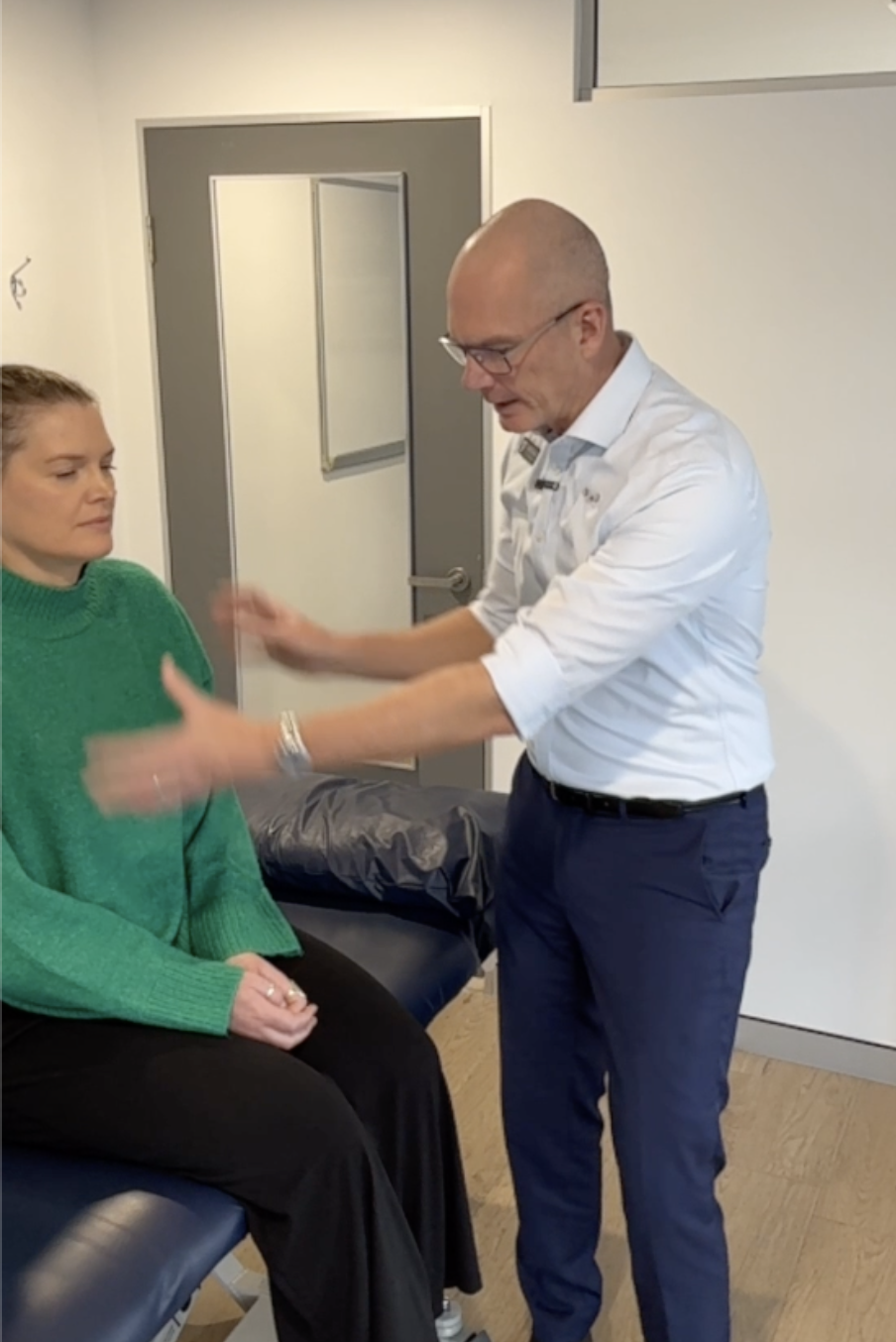
With Abbey, we did not only focus on where she felt the pain.
We tested where her brain was protecting.
That is different.
Pain is not just a message from one sore body part.
Pain is part of the body’s protection system.
The brain is constantly interpreting information from the body.
Movement.
Load.
Pressure.
Past injury.
Threat.
Fatigue.
Sensitivity.
Protective muscle responses.
When the brain decides protection is needed, that protection can show up as pain.
It can also show up as tightness, weakness, guarding, poor movement, or a feeling that the body will not let go.
In Abbey’s case, there were several protective areas involved.
Some were not where she felt the pain.
But when those areas were addressed, her body changed.
Her movement improved.
Her pain settled.
Her strength returned.
And most importantly, her confidence came back.
The goal is not just less pain
Of course pain matters.
But for us, the deeper goal is helping people understand their body clearly enough to trust it again.
Because when a person starts to trust their body again, everything changes.
They move differently.
They worry less.
They stop feeling so fragile.
They start to believe their body is not broken.
That is what we care about.
Not just chasing symptoms.
Not just treating the sore spot again and again.
But testing what the body is protecting, and seeing what actually changes.
This may be worth exploring if…
You have been in pain for a long time.
You have tried multiple practitioners and still do not have a clear answer.
Treatment has helped briefly, but the result has not held.
You are unsure what movement is safe.
You feel like your body flares too easily.
You have started to feel broken, old, fragile, or unable to trust your body.
At Youngify, we use a neuroscience-based process to test where the body is protecting.
Sometimes the breakthrough comes when we stop only asking where it hurts, and start testing where the body is protecting.
You are welcome to book a free call.
Book a free call.
We can talk through what has been happening, what has already been tried, and whether this process sounds appropriate to test.
No pressure.
No promise.
Just a clear conversation.
Prefer to understand more first?
You can also download our free ebook:
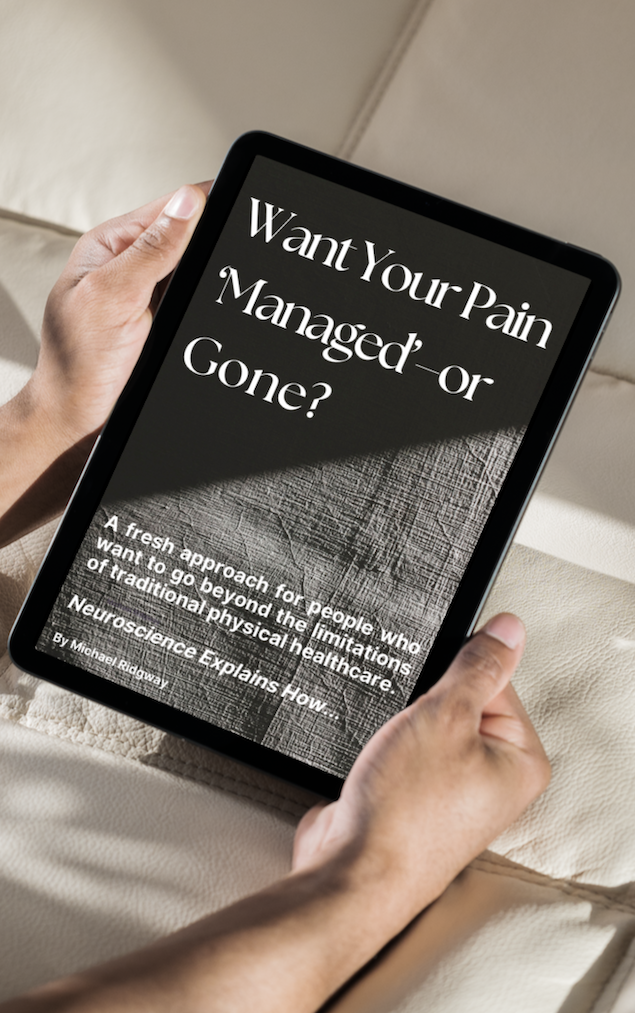
Want Your Pain ‘Managed’ — Or Gone?
It explains more about the Youngify approach and why pain often needs to be tested differently.
Also, rest assured, we will never share your details, and you can unsubscribe at any time.